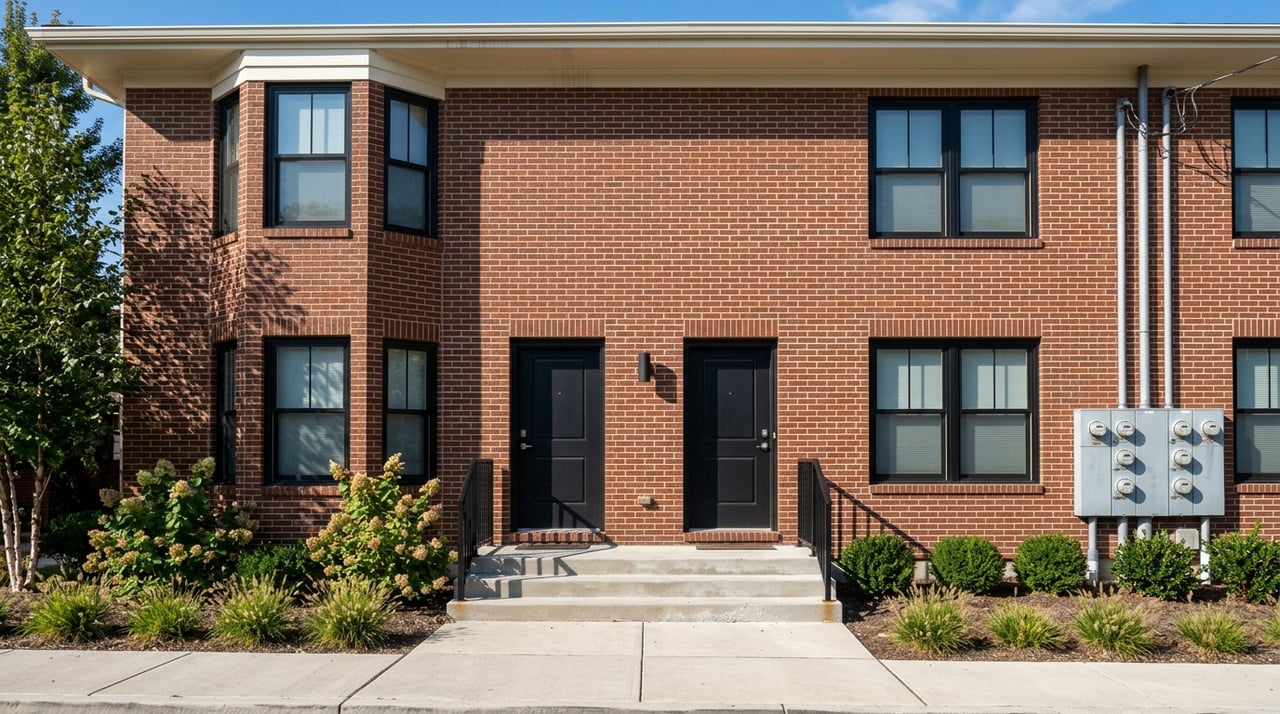
Thinking about buying a duplex, triplex, or fourplex in Danbury? For many first-time investors and owner-occupants, small multi-family properties look like a smart way to build equity and offset housing costs, but the numbers and process can feel more complex than a single-family purchase. This guide walks you through how beginner buyers should evaluate multi-family properties in Danbury, what costs matter most, and how Connecticut’s process shapes your next steps. Let’s dive in.
Why Danbury Fits Multi-Family Buyers
Danbury is not a tiny niche market for small multi-family properties. The city has 88,692 residents and 33,071 households, with an owner-occupied rate of 53.8%, a median gross rent of $1,846, and a median owner-occupied home value of $411,200. That mix points to steady interest from both people who want to own and people who need rental housing.
Small multi-family inventory is also a real part of Danbury’s housing stock. City data shows 3,171 two-unit buildings and 3,393 three- or four-unit buildings. For a beginner, that matters because you are shopping in an established property type, not chasing a rare product that barely exists in the local market.
What Counts as Small Multi-Family
For most beginner buyers, small multi-family means a property with two to four units. That usually includes duplexes, triplexes, and fourplexes. These properties can work for buyers who want to live in one unit and rent the others, or for buyers who want a full investment property.
The biggest difference between these options is usually not just price. It is how financing, rent qualification, management, and daily responsibility fit your plan. A duplex may feel more manageable at first, while a fourplex may offer more income potential but also more moving parts.
Duplexes
A duplex has two units, which can make it the easiest starting point for a beginner. If you plan to live in one unit, you may be able to treat the property as a primary residence, which can open the door to more flexible financing options.
A duplex can also be simpler to maintain than a larger building. You still need to budget for repairs, vacancy, and turnover, but with fewer units, the day-to-day learning curve may feel less overwhelming.
Triplexes and Fourplexes
Triplexes and fourplexes can create more rental income streams, which may help spread risk if one unit becomes vacant. At the same time, these properties often come with more complex maintenance, higher utility coordination, and more tenant-facing issues.
For a beginner, that does not mean you should avoid them. It means you should be extra careful with the math, the property condition, and the legal status of each unit before you rely on projected income.
Start With Occupancy Strategy
One of the first questions to answer is whether you will live in one of the units. That choice affects financing, down payment expectations, and how the lender may look at the property’s rental income.
Owner-occupant financing is often the most accessible path for a beginner. HUD states that FHA 203(b) is available for one- to four-unit principal residences and may allow a down payment as low as 3.5% of the purchase price. Freddie Mac’s published loan-to-value limits also show much higher maximum financing for 2- to 4-unit primary residences than for 2- to 4-unit investment properties.
In plain English, living in one unit can dramatically change how much cash you need upfront. That is why your occupancy plan should be clear before you start comparing listings.
How Lenders Look at Rental Income
Many beginners assume the future rent will automatically make the deal work in the lender’s eyes. In reality, lenders have documentation rules, and not all income gets counted the same way.
For a 2- to 4-unit primary residence, Fannie Mae says rental income can be used in qualifying when the borrower occupies one unit and has property-management experience. It also states that the income from the unit you live in generally cannot be counted as principal-residence rental income. For 1- to 4-unit investment properties, rental income can also be used, but it must be documented properly.
Lenders may use signed leases, Schedule E, or an appraiser’s market-rent opinion when a property is vacant or newly placed in service. That is why you should ask early how projected rent will be documented, whether the lender will accept market rents, and how vacancy will be factored into underwriting.
Smart Lender Questions to Ask
Before you get too far into your search, ask these questions:
- Is this loan being underwritten as owner-occupied or investment?
- What is the minimum down payment for a 2-, 3-, or 4-unit property?
- Will rent from the other units help me qualify?
- What documents do you need to count rental income?
- Will an appraiser’s market-rent opinion work if a unit is vacant?
- Do you require cash reserves after closing?
- Are there extra pricing adjustments for multi-family properties?
These questions can help you avoid surprises after you go under contract.
Danbury Expenses Matter More Than You Think
A beginner mistake is to focus only on the purchase price and the monthly mortgage payment. Multi-family properties need a full expense model, especially in a market like Danbury where taxes can heavily affect carrying costs.
Danbury real estate is assessed at 70% of fair market value, and the current mill rate for the 2024 Grand List is 24.99 mills. Real estate taxes are billed quarterly. Because of that structure, property tax should be one of the first line items you verify when reviewing a listing or building a pro forma.
You should also budget for:
- Principal and interest
- Property taxes
- Insurance
- Maintenance and repairs
- Vacancy
- Utilities paid by the owner
Danbury’s median gross rent is $1,846, while the median monthly owner cost with a mortgage is $2,476. That comparison does not tell you whether a specific property works, but it does show why you should never assume rent alone will cover every cost.
Older Buildings Need a Closer Look
Danbury has a relatively older housing stock. Local data shows 15.2% of units were built in 1939 or earlier, and 28.1% were built from 1940 to 1969. For multi-family buyers, older buildings can offer character and established locations, but they may also come with deferred maintenance.
That means you should pay close attention to major systems and structural items. Roofs, foundations, plumbing, heating systems, electrical updates, and overall maintenance history can all change the real cost of ownership.
What to Watch During Inspections
In an older Danbury multi-family property, make sure your inspection approach is thorough. Key areas to review often include:
- Roof age and visible wear
- Foundation condition
- Heating and cooling systems
- Electrical panels and wiring
- Plumbing leaks or outdated piping
- Windows, insulation, and drafts
- Signs of water intrusion or moisture issues
- Common-area and exterior maintenance needs
Connecticut’s Department of Consumer Protection advises buyers to hire a professional home inspector of their own choosing. For a small multi-family property, that advice is especially important because one overlooked repair can affect multiple units and your budget at the same time.
Confirm the Unit Count Is Legal
Before you build your financial plan around a property, confirm that the number of units is legal or legally nonconforming. Fannie Mae requires a property’s highest and best use to be legal or legal non-conforming, so unit count and permit history are not small details.
This matters because an extra kitchen or finished space does not always equal a legal rental unit. If you rely on income from a unit that cannot be recognized by the lender or municipality, your financing and your long-term plan can quickly run into trouble.
Understand the Connecticut Buying Process
Connecticut’s real estate process has a few important differences that beginner buyers should know upfront. The Department of Consumer Protection explains that a buyer’s agent can help arrange showings, provide information on taxes, utilities, and zoning, help prepare an offer, assist with the loan process, and monitor closing dates.
Just as important, Connecticut real estate agents cannot give legal advice. The state recommends that an attorney oversee the paperwork, and Connecticut law requires a real estate closing to be conducted by a Connecticut-admitted attorney.
Why Attorney Review Matters
In Connecticut, attorney involvement is part of the structure of the transaction, not an optional add-on. If you are coming from a New York or other out-of-state mindset, this is an important adjustment.
For a multi-family purchase, having an attorney involved helps you review contract terms, clarify title or closing issues, and keep the legal side of the transaction moving in step with financing and inspections. It is one more reason to build your team early.
A Simple Beginner Framework
If you are comparing your first multi-family opportunities in Danbury, keep your evaluation process simple and disciplined.
Step 1: Pick Your Ownership Plan
Decide whether you want to house hack by living in one unit or buy as a pure investor. This choice affects financing, down payment, and underwriting.
Step 2: Estimate True Monthly Costs
Include mortgage, taxes, insurance, maintenance, vacancy, and any owner-paid utilities. Use Danbury’s tax structure as part of the math from day one.
Step 3: Verify Income Assumptions
Ask your lender how rental income will be documented and counted. Do not rely on guesswork or optimistic rent estimates.
Step 4: Check Property Condition
Look closely at major systems, especially in older buildings. A lower purchase price does not always mean a better deal if repairs are waiting for you right after closing.
Step 5: Confirm Legal Status
Verify unit count, permit history, and whether the property is legal or legally nonconforming. This protects both your financing and your long-term plans.
Step 6: Build the Right Local Team
Work with professionals who understand Danbury pricing, Connecticut inspections, and the attorney-led closing process. That local guidance can save you time, money, and unnecessary stress.
Buying your first multi-family property in Danbury can be a smart move if you go in with a clear plan and realistic numbers. The goal is not to find a perfect building on paper. The goal is to buy a property you understand, can finance confidently, and can manage without unpleasant surprises. If you want help evaluating small multi-family opportunities in Greater Danbury with a practical, numbers-first approach, connect with RE/MAX Premier Team.
FAQs
What is a small multi-family property in Danbury?
- A small multi-family property in Danbury usually means a 2- to 4-unit residential building, such as a duplex, triplex, or fourplex.
Can you buy a Danbury multi-family property with a low down payment?
- If you plan to live in one unit as your primary residence, FHA 203(b) may allow a down payment as low as 3.5%, depending on your qualifications and the property.
Does rental income help you qualify for a Danbury multi-family mortgage?
- It can, but lenders must document rental income properly and may use leases, tax returns such as Schedule E, or an appraiser’s market-rent opinion depending on the situation.
Why are Danbury property taxes important when buying multi-family?
- Danbury taxes are a major carrying cost because the city assesses property at 70% of fair market value, applies a 24.99 mill rate for the 2024 Grand List, and bills taxes quarterly.
Why should you inspect older multi-family properties in Danbury carefully?
- Danbury has a meaningful share of older housing stock, so buyers should pay close attention to roofs, foundations, mechanical systems, and signs of deferred maintenance.
Do you need an attorney to close on a multi-family property in Connecticut?
- Yes. Connecticut law requires a real estate closing to be conducted by a Connecticut-admitted attorney.
