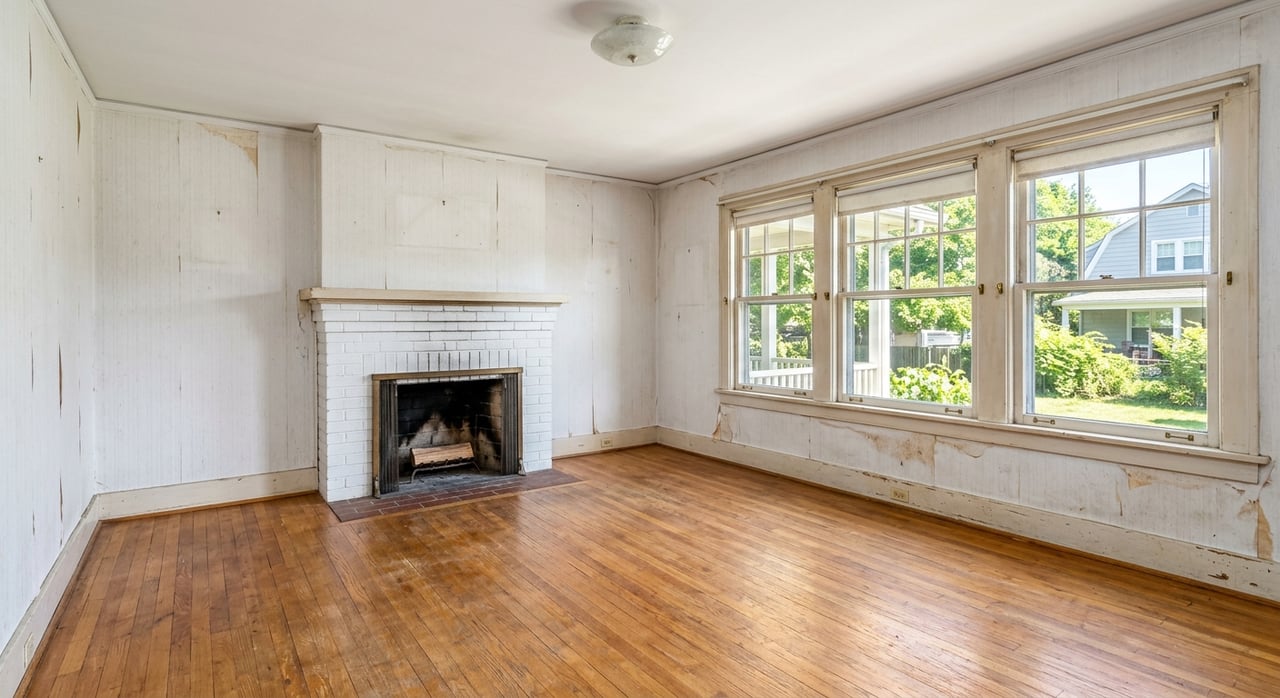
Thinking about buying a fixer-upper in Brookfield, CT? It can be a smart way to get into a competitive market, but only if you understand what needs your attention before you close. In Brookfield, the biggest questions often go beyond paint colors and kitchen updates. You also need to look closely at wells, septic systems, permits, and the right financing path. Let’s dive in.
Why fixer-uppers show up in Brookfield
Brookfield’s housing stock helps explain why fixer-uppers are part of the local market. According to the town’s 2025 Affordable Housing Plan, 74% of housing units are detached single-family homes, and 81% of occupied homes were owner-occupied in 2020. That means many buyers in Brookfield are looking at traditional single-family properties rather than large condo inventory.
The same report shows that 54% of Brookfield homes were built between 1960 and 1989. In practical terms, that often means you may find homes with solid layouts and lots, but with dated kitchens, older bathrooms, aging windows, or mechanical systems that need updating. Many Brookfield fixer-uppers are less about rebuilding from scratch and more about smart modernization.
Inventory conditions also matter. Brookfield’s December 30, 2024 housing snapshot showed less than 1% of units for sale and only 1% available for rent. If you are shopping for a home that needs work, you may still face competition, especially if the property has good bones and a location that supports long-term value.
What to inspect early in Brookfield
Check the well first
In Brookfield, private wells are a major due diligence item. The town’s Health Department guidance on private wells says it approves the location and construction of new private wells, requires a water analysis, and recommends uranium testing on all new wells because many Brookfield wells have unusually high radionuclide levels.
For you as a buyer, this means water quality is not a side issue. If a home has a private well, ask early about testing, past reports, and any treatment systems already in place. A house that looks like a cosmetic project can become a larger project if the water system needs attention.
Review septic capacity
Septic matters just as much as the house itself. Brookfield’s Health Department notes that septic systems are primarily regulated locally and recommends pumping the septic tank every two years. The town’s housing plan also explains that much of Brookfield is outside the sewered portion of town.
That can affect your renovation plans in a big way. If you want to add bedrooms, expand the footprint, or create additional living space, septic capacity and sewer access may shape what is possible. A property with strong value-add potential on paper may have limits that only show up once you investigate the site infrastructure.
Test for radon in older homes
Brookfield buyers should also keep radon on the checklist. The town’s Radon Partnership Program page says several locations in town have higher-than-normal radon levels, and the Health Department offers free radon test kits.
This is especially important if the home has a basement or crawlspace. Radon is not always visible in a typical walk-through, so testing gives you better information before you commit to a renovation budget.
Confirm historic district rules
If the property is in Brookfield’s Historic District, exterior updates may involve another layer of approval. The town’s Historic District regulations say a Certificate of Appropriateness may be required before a building permit is issued for exterior work such as windows, doors, roofing, siding, chimneys, garages, fences, walls, pools, and sidewalks.
That does not mean you should avoid these homes. It does mean you should build extra time into your planning if your renovation includes exterior changes.
Permits can shape your timeline
Brookfield’s Building Department enforces the Connecticut State Building Code and uses an online permit center. The regional permit system explains that permits are required before construction, alteration, or repairs other than ordinary repairs, including work such as roofing, window replacement, electrical upgrades, water heater installation, decks, and pre-fabricated sheds.
Some express permits can be issued instantly, while others are usually approved or denied within 30 days. That matters because your project schedule may depend on permit review, inspection timing, and whether multiple systems are involved.
If you are planning to do some work yourself, the regional permit system says a homeowner can perform their own work if they occupy the home and do not rent out any part of it, but the permit requirement still applies. Sweat equity can help your budget, but it does not remove local rules.
How to hire contractors carefully
The contractor you choose can affect both cost and stress level. The Connecticut Attorney General’s home improvement guidance says contractors must be registered with the state Department of Consumer Protection, written contracts should include start and completion dates plus a 3-business-day cancellation right, and homeowners should verify that permits were actually obtained.
The same guidance warns against paying in full before the job is completed correctly and approved when required. That is especially useful for fixer-upper buyers who may be juggling several trades at once.
For pricing, the CFPB recommends getting written estimates from at least two to three contractors and checking references before hiring, according to its contractor guidance. In Brookfield, that advice is even more important because well, septic, roofing, windows, and electrical work can all involve permits and inspections that affect cost and timing.
Financing options for a Brookfield fixer-upper
FHA 203(k) loans
If you plan to live in the home, HUD’s FHA 203(k) program is one option to discuss with your lender. This program can combine the home purchase and renovation funds into one mortgage. HUD says the Standard 203(k) is for major rehab, while the Limited 203(k) is for less extensive repairs.
For larger projects, a 203(k) consultant is required, and permits must be in place before work begins. If you want one loan instead of separate financing for purchase and repairs, this can be worth exploring early.
CHFA renovation loan pilot
Connecticut buyers may also want to ask about the CHFA renovation loan pilot. CHFA says this owner-occupant program lets first-time buyers combine the purchase price and renovation costs into one mortgage. It applies to single-family homes, condos, and 2-4 unit properties.
CHFA also requires a state-licensed general contractor and holds repair funds in escrow with a contingency reserve of up to 20%. Investment and vacation properties are not allowed, so this is not the right fit for every buyer.
Fannie Mae HomeStyle
If you are comparing more flexible renovation financing, Fannie Mae’s HomeStyle Renovation mortgage may be part of the conversation. Fannie Mae says this product can be used for principal residences, second homes, and one-unit investment properties, and renovation work is generally expected to finish within 15 months.
This matters because loan rules can differ sharply depending on whether you will live in the property, use it as a second home, or buy it as an investment. If you are considering DIY elements, this is one of the first topics to review with your lender.
USDA repair help for eligible buyers
Brookfield’s 2025 Affordable Housing Plan says the town is an eligible area for USDA housing programs. For owner-occupants with very low income who need to remove health and safety hazards, USDA Rural Development’s Home Repair Program may also be worth asking about.
This is more specialized than a standard renovation mortgage, but for the right household it can be an important part of the financing conversation.
How to budget more realistically
Fixer-upper budgets often go off track when buyers focus only on finishes. In Brookfield, the bigger cost drivers may include well testing, septic evaluation, permit fees, contractor scheduling, and repair reserves for older systems.
Before choosing a lender, the CFPB recommends comparing official Loan Estimates and preapproval details. A preapproval letter can help you shop, but it is not a final loan commitment. For a fixer-upper, you should also compare whether the lender can handle renovation escrows, contingency reserves, and any carrying costs if the property is not move-in ready right away.
Best fit for a Brookfield fixer-upper
In Brookfield, some of the strongest fixer-upper opportunities may be older single-family homes with a sound structure and dated finishes. Based on the town’s housing mix and age data, these homes may offer the clearest path to value through upgrades like kitchens, baths, windows, insulation, or mechanical improvements.
That said, a home needing septic repair, well remediation, or historic district approval can still be a good purchase. You just want to go in with better due diligence, a conservative timeline, and a financing plan that matches the work.
The right fixer-upper is not always the cheapest house. Often, it is the home where the condition issues are understandable, the site constraints are manageable, and your renovation goals match local rules and your budget.
If you are weighing whether a Brookfield fixer-upper makes sense for your goals, working with a team that understands value-add strategy, timelines, and financing options can help you avoid expensive surprises. When you are ready to talk through neighborhoods, property condition, and your next steps, connect with RE/MAX Premier Team.
FAQs
What should you inspect first when buying a fixer-upper in Brookfield, CT?
- Start with the well, septic system, radon risk, and permit history, because these can affect cost, timeline, and what renovations are feasible.
Do fixer-uppers in Brookfield, CT often have private wells and septic systems?
- Many properties do, especially outside sewered areas, so you should confirm water testing, septic condition, and whether your renovation plans fit the site infrastructure.
Do you need permits for fixer-upper renovations in Brookfield, CT?
- Yes, many common projects such as roofing, windows, electrical work, water heaters, decks, and alterations require permits before work begins.
Can you use a renovation loan to buy a fixer-upper in Brookfield, CT?
- Yes, possible options include FHA 203(k), CHFA renovation loans for eligible owner-occupants, and Fannie Mae HomeStyle, depending on your occupancy and project goals.
Are historic district rules important for Brookfield, CT fixer-uppers?
- Yes, if the home is in Brookfield’s Historic District, some exterior changes may require a Certificate of Appropriateness before a building permit is issued.
Is buying a fixer-upper in Brookfield, CT a good strategy in a tight market?
- It can be, especially if you find an older home with solid structure and manageable updates, but you still need careful due diligence because inventory is limited and hidden costs can affect the deal.
