Buying your first home in Brewster, NY can feel exciting and a little overwhelming. You want a clear picture of prices, a sense of commute times, and a simple plan for closing without surprises. This guide gives you the essentials you need to make confident decisions in Brewster and the surrounding Town of Southeast.
You will learn what starter homes typically look like and cost, how commuting to New York City and Danbury works, what to budget for taxes and closing costs, and the steps from offer to keys. Let’s dive in.
Brewster at a glance
Brewster is the village at the heart of the Town of Southeast in Putnam County. The village is compact and walkable, while the broader town covers a larger area with a mix of neighborhoods, condos, and single-family homes. The town’s resources are a good starting point for understanding boundaries and services in both the village and the town. You can confirm local context on the Town of Southeast page for demographics and municipal links at the official source on Town of Southeast demographics and links.
When you see price stats online, know which geography they represent. Some reports use the Village of Brewster, others use ZIP code 10509 or the full Town of Southeast, and others use all of Putnam County. Each will show different medians and inventory trends. In this guide, price references point to the Brewster and 10509 area unless noted.
What starter homes look like in Brewster
First-time buyers in Brewster typically shop three property types:
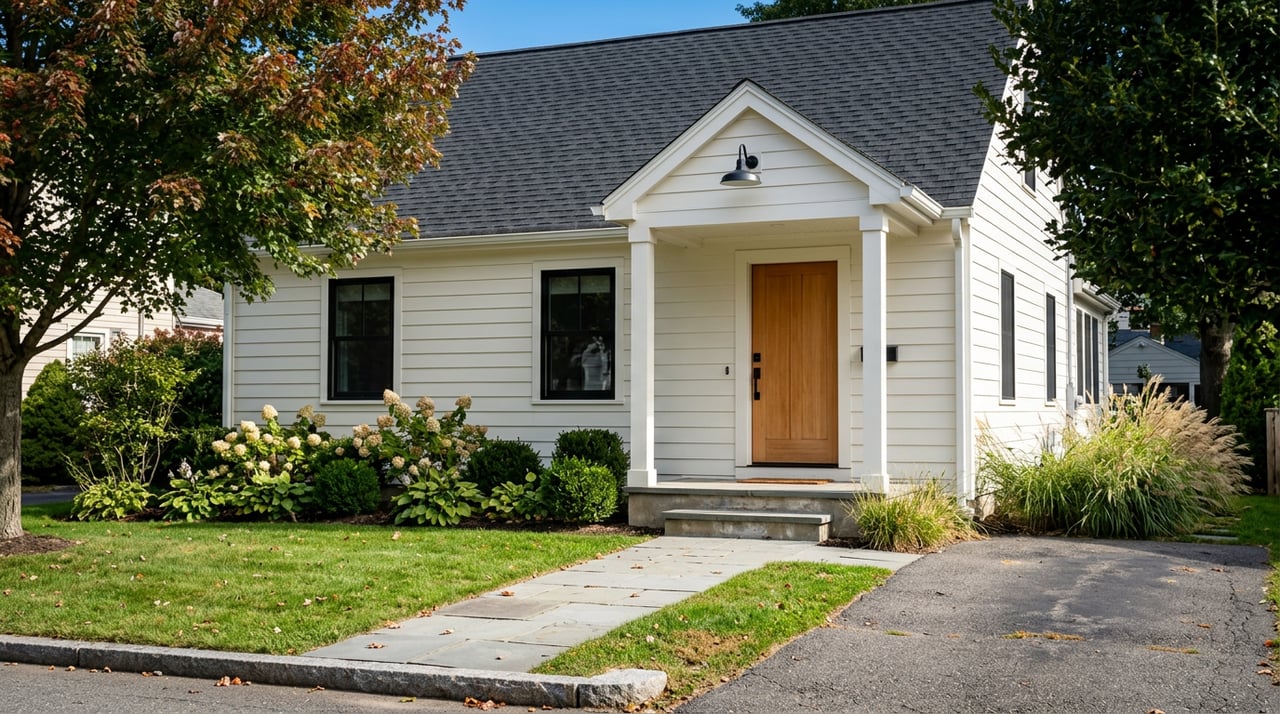
- Compact single-family homes with 2 to 3 bedrooms, including older colonials and ranches on modest lots.
- Condominiums and townhouses, which are present in the area but less common than single-family homes.
- Value-add opportunities in older neighborhoods where you might trade a lower price for renovation work.
Price picture for ZIP 10509
Recent snapshots for the Brewster and 10509 area show median sale prices generally in the mid-400,000s to low-600,000s, depending on the exact boundaries and timeframe used. Smaller condos and cottages can appear at or below the local median, and occasionally in the low-300,000s when available. Inventory for entry-level homes is limited, so expect competition at attractive price points.
The key takeaway is to set a realistic range before you tour and be ready to act when a well-positioned starter hits the market.
What to budget beyond the price
Buying your first home involves more than the down payment. Plan for three buckets: upfront cash, closing costs, and monthly carrying costs.
Upfront and closing costs
- Down payment based on your loan program.
- Buyer closing costs often total about 2 to 5 percent of the purchase price. For example, on a $525,000 home, that is roughly $10,500 to $26,250, plus your down payment.
- Prepaids and escrows for property taxes, homeowners insurance, and interest.
Common buyer-side charges include lender fees, appraisal and credit report, title search and lender’s title insurance, attorney fees, recording fees, and initial escrows. Local custom can vary on who pays certain taxes and fees, so ask your agent and attorney to outline your specific estimate for Putnam County.
Property taxes in Putnam County
Putnam County is known for relatively high property taxes compared with national and state averages. Bills vary by assessed value, exemptions, and the combined levies for town, village, and school district. Before you finalize your budget, look up the current tax history for any address and confirm with local records. You can start with a county-focused overview at Putnam County property tax info, then verify details with the local assessor on a specific property.
A simple way to pressure-test affordability is to estimate taxes conservatively in your monthly payment and include HOA dues if you are considering a condo or townhouse.
Commute options and times
Metro-North to New York City
Brewster sits on Metro-North’s Harlem Line with direct service to Grand Central Terminal. Typical ride times from Brewster to Grand Central are about 1 hour 20 minutes to 1 hour 35 minutes, depending on the train. Always confirm your specific trains and times on the official MTA Harlem Line schedule.
Door-to-desk planning tip:
- Allow a few minutes to park or walk to the Brewster station.
- Select an express train that fits your schedule if possible.
- Add a short subway or walk time on the Manhattan side.
Build your daily timing around your actual train choices. If you commute even two or three days a week, test your plan on a weekday.
Driving to Greater Danbury
Brewster is close to Danbury, Connecticut. The distance to downtown Danbury is about 11 miles, often a 15 to 25 minute drive depending on traffic. You can check the approximate distance and travel time using Drive distance: Brewster NY to Danbury CT. For regional driving, you have quick access to I-84, I-684, and Routes 6 and 22.
Schools, services, and utilities to confirm
Brewster homes are served by the Brewster Central School District. For up-to-date enrollment steps and contacts, start at the district’s Register a student page. For objective state accountability and report card data, review the district’s profile on NYSED school report cards.
Service details can shift within town and village lines. Outside the village footprint, many properties rely on private septic systems and wells. Confirm water and sewer service in every listing and plan septic and well inspections when applicable. The town site is a reliable source for local context on Town of Southeast demographics and links.
Finally, ask your agent to check FEMA flood maps for any property that sits near water. If flood insurance is required by your lender, add those premiums into your monthly budget.
Making an offer and getting to closing
On a financed purchase, a typical timeline from contract to closing is about 30 to 45 days in a straightforward file. Cash deals or highly prepared buyers may close faster, while certain loan types or title complexities can take longer. Here is the common flow:
Step-by-step timeline
- Pre-approval and search: This can take weeks or months. Strong pre-approval letters help you compete.
- Offer to contract: Negotiation and attorney review usually take a few days once terms are agreed.
- Inspections: General home inspection plus any add-ons, often scheduled within 7 to 10 days of contract. In Brewster, consider radon, termite, and septic or well testing if not on municipal services.
- Appraisal, underwriting, and title: These proceed in parallel and often take 2 to 3 weeks to complete.
- Clear to close: Final conditions, walk-through, and then closing day.
Common contingencies to understand
- Mortgage financing contingency protects you if the loan cannot be approved on agreed terms.
- Home inspection contingency lets you renegotiate for repairs or credits when issues are discovered.
- Appraisal contingency helps if the appraised value comes in below the contract price.
- Title and ownership contingency ensures you receive clear title.
- Sale-of-home contingency is less common in competitive segments but can be used strategically.
What shows up in buyer closing costs
- Lender charges such as origination, processing, appraisal, and credit report fees.
- Title search, lender’s title insurance, and recording fees.
- Attorney fees. New York buyers often hire an attorney to handle contract and closing.
- Prepaid items like homeowners insurance, prorated property taxes, and escrow deposits.
Plan conservatively. If you budget for 2 to 5 percent in closing costs, plus prepaids and your down payment, you will be positioned to move quickly when the right home appears.
Quick first-time buyer checklist
- Get a full pre-approval with a lender, not just a pre-qualification. Align your max price with a cushion for taxes and closing costs.
- Identify your must-haves and nice-to-haves. Decide your absolute offer ceiling before you tour.
- If you will commute, pick specific trains and confirm the MTA Harlem Line schedule. Do one or two real-time test runs on weekdays.
- For any property outside village services, schedule septic and well inspections as soon as you are in contract.
- If schools matter to you, confirm boundaries with the district’s Register a student page and review objective data on NYSED school report cards.
- Look up the tax history for the address and cross-check with local records. Start your research at Putnam County property tax info.
Local guidance that moves you forward
If you are comparing Brewster to nearby Connecticut towns like Danbury, New Fairfield, or Brookfield, you are in our sweet spot. Our team works both sides of the border every day, which means you get practical advice on commute trade-offs, financing strategy, and what it really takes to win in today’s first-time price bands.
Ready to map your budget, refine your search, and see the best options first? Reach out to the RE/MAX Premier Team for a friendly, no-pressure consult.
FAQs
What is a realistic starter-home budget in Brewster, NY?
- In recent snapshots for the Brewster and 10509 area, medians often land in the mid-400,000s to low-600,000s, with smaller condos or cottages sometimes appearing near or below the local median when available.
How long is the Brewster-to-NYC train commute?
- Typical Metro-North Harlem Line trains from Brewster to Grand Central take about 1 hour 20 minutes to 1 hour 35 minutes; confirm your exact train on the official MTA schedule.
What closing costs should a first-time buyer expect in Brewster?
- A common rule of thumb is 2 to 5 percent of the purchase price, plus prepaids for taxes and insurance and your down payment; your lender and attorney can provide a tailored estimate.
How do property taxes work for Brewster homes?
- Taxes depend on assessed value, local levies, and exemptions; review the address-specific record and verify with local offices, starting with Putnam County property tax info.
Are condos and townhouses available for first-time buyers in Brewster?
- Yes, the area includes condo and townhouse options, though inventory is limited compared to single-family homes, so be ready to move quickly when a good fit lists.
Do I need a septic or well inspection outside the village?
- Many homes outside the village use private septic and wells; schedule dedicated inspections for these systems early in your inspection period to avoid delays.
