Thinking about selling your New Milford home this year? The right prep can add real value and help you move on your timeline. From state disclosure rules to smart, budget-friendly fixes, a focused plan will reduce stress and protect your bottom line. In this guide, you’ll learn what to do first, where to spend for the best return, and how to time your listing for stronger results. Let’s dive in.
New Milford market snapshot
Zillow estimates New Milford’s average home value near $448,694 as of February 28, 2026, with a typical time to pending around 22 days. Redfin’s recent data shows a median sale price near $422,000 in February 2026 and days on market in the 30 to 40 day range. Each source uses different methods and monthly counts can be small, so treat these as directional. For pricing, you should rely on a fresh CMA using recent local MLS comps.
Most homes here are single-family detached, so curb appeal and exterior condition matter. Many properties outside the village center use private wells and septic systems. If you are unsure about your water or sewer type, check with the town’s Sewer Commission and confirm any service district status on the New Milford WPCA page. Gather well and septic records early since the state disclosure asks about both.
Start with required paperwork
Complete the CT disclosure
Connecticut requires sellers of most 1 to 4 unit homes to provide the Residential Property Condition Disclosure Report before the buyer signs a contract. If you do not provide it, state statute calls for a $500 credit to the buyer. The form covers water system type, sewage disposal, radon, asbestos and lead, known structural issues, and potential municipal assessments. Review the official form and instructions here: Connecticut Residential Property Condition Disclosure Report.
Gather system records early
Pull and scan: HVAC or boiler service receipts, water well test results, septic pumping or service receipts, appliance warranties, building permits, and any prior inspection reports. If you have radon tests or well water quality reports, include them. Having these ready builds buyer confidence and speeds attorney review.
Know your conveyance costs
Sellers in Connecticut pay a state real estate conveyance tax plus a municipal portion at closing. Budget for both taxes and for recording fees. For a high-level overview, review the state guidance on real estate conveyance taxes. For current recording fees and land records procedures, check the New Milford Town Clerk’s page. Ask your attorney or agent for a seller net sheet so you know your estimated bottom line before you list.
Confirm permits and records
Collect permits and completion documents for any renovations. The state disclosure recommends that buyers check municipal records for permits and certificates of occupancy, so it helps if you have your paperwork ready. If something lacks a permit, talk with your agent and attorney about options before you go live.
High-impact prep checklist
Declutter, clean, neutralize
Start with a deep clean and remove excess furniture and personal items. Organize closets and storage so rooms feel larger. Fresh neutral paint in the living room, entry, and primary bedroom photographs well. These low-cost steps set the stage for better showings and stronger photos.
Fix the obvious
Repair leaks, replace burnt-out or broken light fixtures, tighten door hardware, reattach loose railings, and address damaged tiles or sagging gutters. If you have a larger issue like a roof leak or foundation concern, document it and discuss whether to repair or price accordingly. The CT disclosure asks specifically about roof, foundation, and drainage, so be ready with facts.
Exterior ROI wins in New England
Buyers in our climate respond strongly to clean, polished exteriors. Focus on landscaping cleanup, fresh mulch, trimmed shrubs, power washing, and a crisp entry. Remodeling’s New England Cost vs. Value data shows exterior projects like garage door and steel entry door replacements regularly recoup a high share of cost at resale. Review the regional findings to guide your choices: New England Cost vs. Value. For many homes, curb appeal upgrades beat a rushed interior overhaul.
Kitchen and bath refreshes
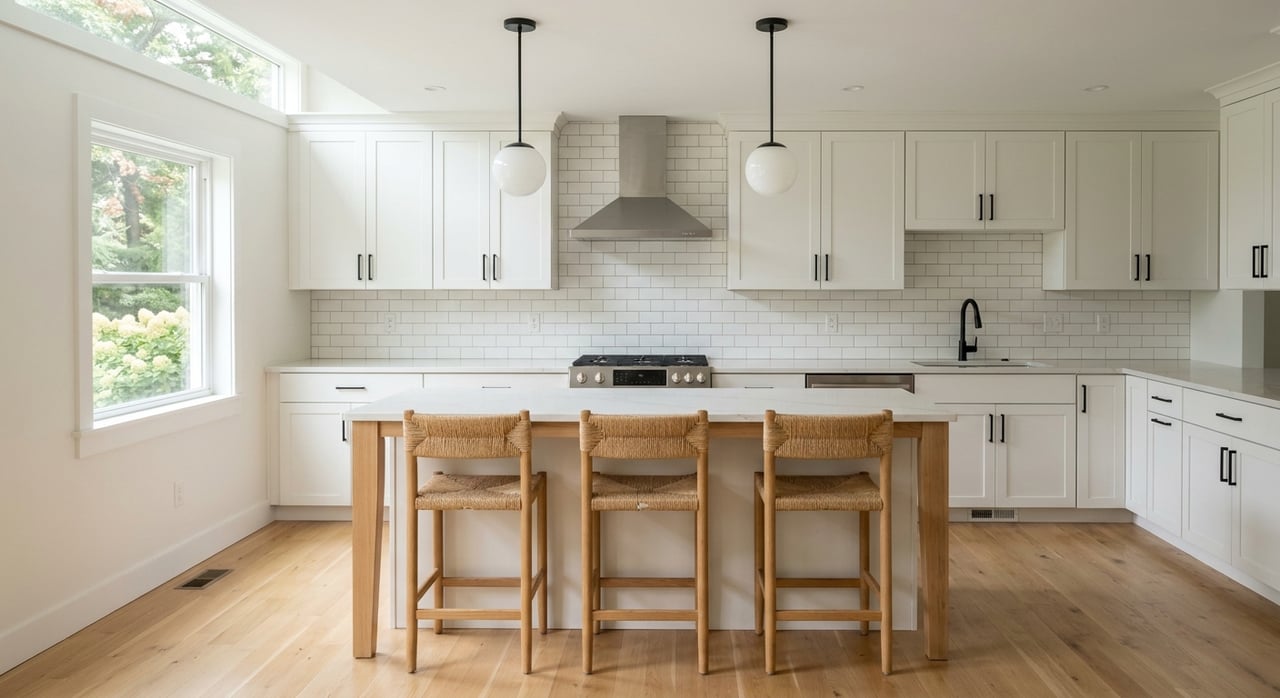
Skip full gut remodels if you plan to sell within a year. Instead, replace dated hardware and faucets, improve lighting, re-grout where needed, and consider a simple, neutral countertop only if the space looks very tired. These light touches can deliver a clean, move-in-ready feel without overspending.
Staging and photos that sell
Staging matters. National research indicates the living room, primary bedroom, and kitchen have the biggest influence on buyers. See highlights from NAR’s coverage: home staging boosts sale prices and reduces time on market and the full 2025 profile with room priorities here: NAR 2025 Profile of Home Staging. Hire a professional photographer so your online listing pops. Typical shoots for a standard single-family home often run about $150 to $300 depending on services and add-ons. Get a feel for ranges here: real estate photography pricing guide. For vacant homes, virtual staging can be a lower-cost option. If you use it, follow MLS rules and disclose it. Learn more about the impact of digital staging here: virtual staging statistics and ROI.
Timing and pricing
Target the spring window
National seasonal analysis has identified mid-April as a strong listing week in recent years. In New Milford, aiming for late March through May often captures peak buyer interest. Weather and inventory can shift the best week, so check local comps and active listings with your agent before you pick a go-live date.
Price with local comps, not headlines
Set price using a comparative market analysis focused on recent New Milford sales in your segment. Treat broad market numbers as context only. Pricing too high can lead to longer days on market and price cuts. A strong strategy aims for the buyer pool you want while supporting the appraised value.
Pack your MLS launch
Plan a clean launch with all documents ready. That includes the CT disclosure, municipal and utility details, floor plan if available, and polished media. Consider a pre-listing inspection if you have older systems or many past upgrades. Ask your agent or attorney for a net sheet so you understand fees, taxes, and expected proceeds before your first showing.
3 to 6 month prep timeline
- Month 1: Collect warranties, permits, well and septic records, and prior inspection reports. Review and prefill the state disclosure. Confirm recording fees with the Town Clerk and discuss conveyance taxes with your attorney. Reference: CT disclosure form and Town Clerk.
- Month 2: Complete priority repairs and curb appeal work. Deep clean, declutter, and paint key rooms in neutral tones. For project choices, use the New England Cost vs. Value data to stay efficient.
- Month 3: Stage the living room, primary bedroom, and kitchen. Hire a professional photographer and finalize pricing with your agent. Review NAR’s staging insights for room priorities: NAR staging profile. Aim for a spring listing if timing is a priority.
Neighborhood-specific touches
- Candlewood Lake and Candlewood Shores: Emphasize outdoor living spaces and views. Clean decks and patios, freshen lakeside access points, and highlight storage for seasonal gear. Keep shoreline areas tidy and safe for showings.
- Village areas and commuters: Make entry, driveway, and walkway presentation a priority. Clear pathways, strong lighting, and a crisp front door set the tone for in-town buyers.
A few targeted adjustments can help your home speak to likely buyers in your micro-market while staying within a smart budget.
Ready to build your plan and get a precise price strategy for your home? Connect with the RE/MAX Premier Team for a local walkthrough, tailored prep list, and a clear timeline from consult to closing.
FAQs
What disclosures must Connecticut home sellers provide?
- Most sellers must deliver the state Residential Property Condition Disclosure Report before the buyer signs. If not provided, a $500 buyer credit applies under state statute.
How should I prepare a well or septic property in New Milford?
- Gather well test results and septic pumping or service records early. The state disclosure asks about both systems, and buyers expect accurate documentation.
Which upgrades usually deliver the best resale value here?
- In New England, exterior projects like garage and entry doors often recoup a high share of cost at resale. Prioritize curb appeal before big interior overhauls.
Which rooms should I stage for the biggest impact?
- Focus on the living room, primary bedroom, and kitchen. Research shows these rooms influence buyers most and can reduce time on market.
What closing costs should I budget for as a seller in CT?
- Plan for state and municipal conveyance taxes, recording fees, and standard closing charges. Ask your attorney or agent for a detailed seller net sheet.
